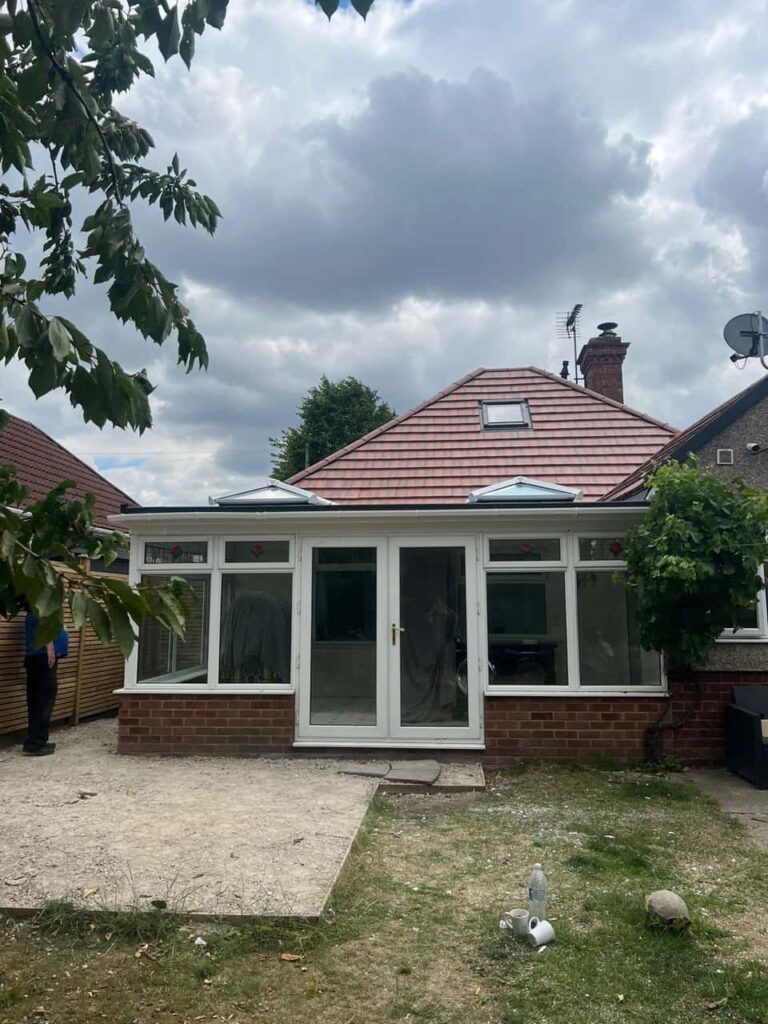
A roof leak is one of the most disruptive issues a homeowner can face. While some leaks are easy to spot, many begin in small, hidden areas that go unnoticed until the damage becomes significant. For homeowners in Hinckley, understanding the most common places where roof leaks start can help identify problems early and prevent avoidable repair work.
Different parts of a roof carry different levels of exposure, wear, and vulnerability — and knowing where to look is key to keeping your home dry and protected.
Around Damaged or Missing Tiles
Tiles act as the first line of defence against rain, wind, and debris. When tiles crack, shift, or go missing altogether, water can penetrate the underlay below, leading to leaks. Weather conditions in Leicestershire, from strong winds to heavy rain, often dislodge tiles or weaken their fixings over time.
Regular inspections can help spot damaged tiles before they become a larger issue.
At Roof Valleys
Roof valleys are the areas where two roof slopes meet, creating channels for water to run into the gutters. Because they handle large volumes of water, valleys are among the most vulnerable points on a roof.
Common causes of leaks in valleys include:
- Improper installation
- Wear to the protective flashing
- Build-up of moss and debris
- Water backing up during heavy rain
When the valley becomes compromised, water can seep beneath the tiles and enter the roof structure.
Around Chimneys
Chimneys are one of the biggest sources of leaks due to the number of joints and connection points involved. The flashing around the chimney is designed to keep water out, but as it ages, it can crack, lift, or deteriorate.
Issues around chimneys may include:
- Damaged flashing
- Failing mortar joints
- Gaps where the roofline meets the chimney stack
Because of their complexity, chimneys require careful inspection to ensure they remain watertight.
Around Skylights and Roof Windows
While skylights and roof windows add natural light and ventilation, they are also common entry points for leaks if they’re not properly sealed. Over time, seals, flashing, and surrounding tiles can become worn.
Typical causes of skylight leaks include:
- Failed seals
- Incorrect installation
- Blocked drainage channels nearby
- Weather-related wear
Even a small amount of movement around the frame can cause water to track inside.
At Flashing and Junction Points
Flashing is used around joints, edges, and intersections to prevent water from entering the roof structure. Areas such as:
- Soil vent pipes
- Dormer windows
- Roof-to-wall junctions
- Edges and corners
are particularly vulnerable. When flashing becomes loose, corroded, or cracked, water will often find its way underneath.
Because flashing plays such a crucial role in waterproofing, even minor deterioration can lead to noticeable leaks.
Around Gutters and Eaves
When gutters become blocked with leaves, moss, or debris, water can overflow and back up under the roofline. Over time, this can cause leaks near the eaves or lead to damp forming on interior walls.
In Hinckley’s mixed weather conditions, blocked gutters are a common issue, particularly in autumn and winter.
Through Damaged Underlay
Even if tiles look intact, the underlay beneath them may be worn or torn. Underlay acts as a secondary barrier against moisture, but it can degrade with age. When underlay begins to fail, leaks can appear in unexpected places, often far from the source.
This is especially common in older roofs where materials have reached the end of their lifespan.
Conclusion
Roof leaks commonly begin in places where materials join, overlap, or experience heavy wear — such as valleys, flashing, chimneys, tiles, gutters, and skylights. By understanding these vulnerable areas, homeowners can take proactive steps to protect their property from water damage.
If you are concerned about possible roof leaks or would like a professional inspection, Hinckley Roofing Repairs can provide expert advice and reliable repair services in Hinckley and the surrounding areas. Contact us to arrange an assessment and keep your roof secure and watertight.
Call us on: 01455 241 499
Click here to find out more about Hinckley Roofing Repairs
Click here to complete our contact form and see how we can help with your roofing needs.